Which Airlines Fly Where From Changi Airport
A complete overview of every airline and direct destination served from Singapore Changi Airport, from Singapore Airlines to budget carriers like Scoot and Jetstar Asia.
Every flight search from Singapore starts the same way: you type a destination and get fifty results, but you have no idea which airline dominates that route, which one gives you the most frequencies, or why the difference between a Gulf operator and a full service Asian flag matters. The answer to which destinations you can fly non stop from Changi and which airline operates each route is a map that has changed in the last three years and will change again next season. Changi’s airline-by-destination breakdown gives you that map.
Changi Airport handled 67.7 million passengers in 2024 across its four terminals and two runways. Roughly 100 airlines serve around 160 city links. The busiest international route by seat volume is the short hop to Kuala Lumpur. The busiest long haul route is the 13 hour 30 minute run to London Heathrow. Both facts tell you something about the airport's dual personality. It is a regional short hop machine and a global super connector. The operators that matter most here divide into three groups: the Singapore Airlines group, the Gulf players, and the low cost shrapnel that fills every gap. Understanding who flies where is the difference between a six hour layover and a well timed connection.
Behind the numbers is a cost structure that warps the market. Singapore's passenger service and security fee for departing passengers was set at 46.40 Singapore dollars in 2024, with an additional 8 dollar aviation levy and 8 dollar departure tax, bringing the mandatory total to 62.40 Singapore dollars on any origin destination ticket. On a sub one hour sector to Kuala Lumpur, those fees can exceed the base fare. On a 15 hour 30 minute flight to San Francisco, the tax to total fare ratio shrinks to near irrelevance. That is why Changi is expensive for short hops and highly competitive on long haul. The hub density and open skies agreements make the long haul game work. The fees make the short haul game painful. Your route choices need to account for this distortion.
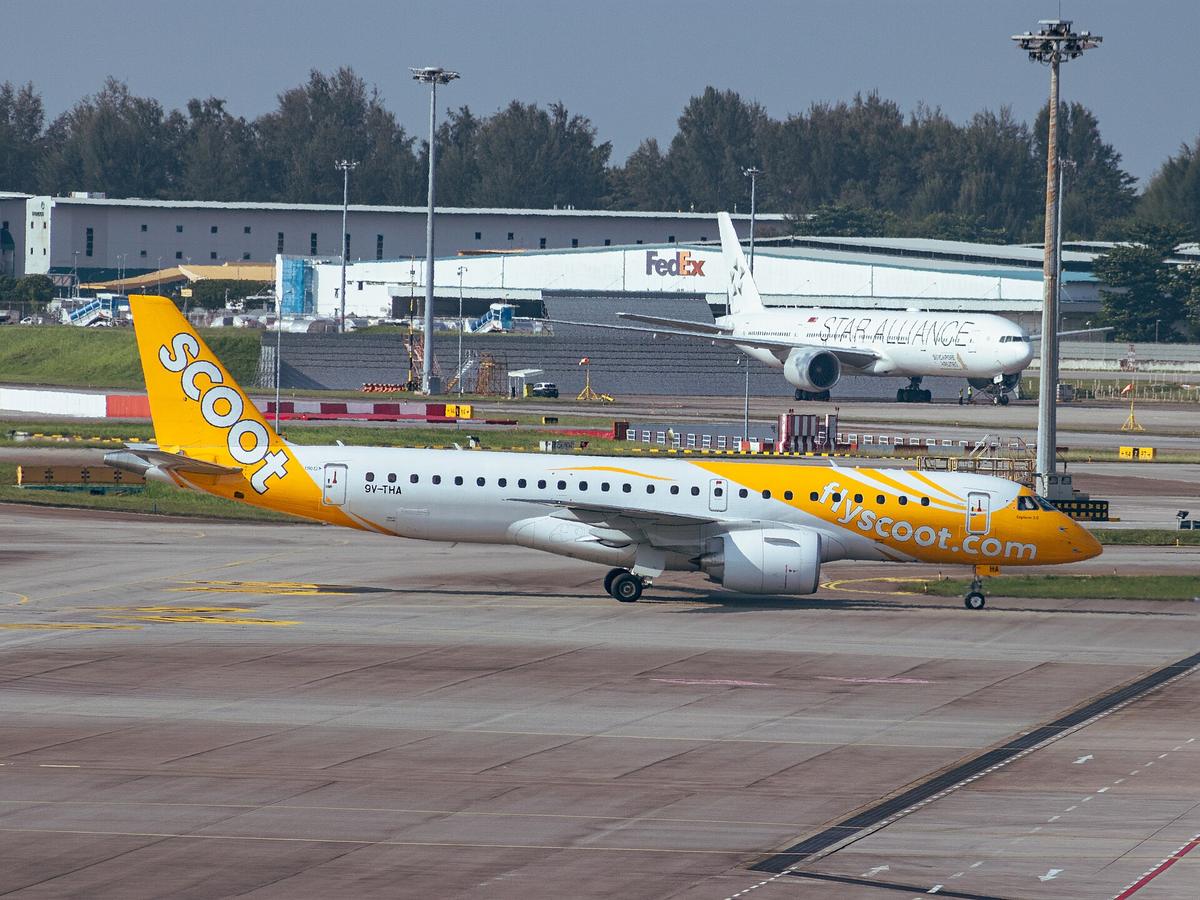

The Singapore Airlines Group: Flagship, Budget and Everything Between
Long Haul Dominance and the Missing Cities
Singapore Airlines is the home operator and the dominant force across almost every long haul market. On the North American network, it flies non stop to six destinations: San Francisco, Los Angeles, Seattle, New York JFK, Newark and Vancouver. The San Francisco flight is the shortest of the US routes at 15 hours 30 minutes. The JFK non stop runs 18 hours 40 minutes. On both routes it shares the skies with a partner. United operates the San Francisco sector alongside Singapore Airlines. On the Los Angeles and JFK runs, Singapore Airlines is the sole non stop operator. The downside of picking the flag carrier for North America is that it does not fly to Chicago, Boston, Washington or any Canadian city beyond Vancouver. If your destination is one of those, you need a transfer stop or a partner. The same applies to Europe. Singapore Airlines flies to roughly 15 European cities including London, Frankfurt, Paris, Amsterdam and Zurich. On each it shares the route with the local flag carrier. British Airways on London. Lufthansa on Frankfurt. Air France on Paris. KLM on Amsterdam. Swiss on Zurich. The competition keeps fares lower than you might expect for a 12 to 13 hour flight, but the tradeoff is that Singapore Airlines does not serve secondary European cities non stop. You will connect through a hub.
Scoot: The Low Cost Gap Filler
Scoot is the low cost subsidiary and it fills the gaps that Singapore Airlines leaves open, especially on the Australian network. Scoot flies to all eight Australian cities that Changi serves non stop: Sydney, Melbourne, Brisbane, Perth, Adelaide, Darwin, Cairns and the Gold Coast. The flight time to Perth is 5 hours 15 minutes, comfortably within the range of a low cost operation where comfort level is tolerable. The flight time to Sydney is 7 hours 45 minutes, which is the outer edge of what most travellers will tolerate without a premium seat. Scoot is the dominant operator on the Singapore to Perth route by frequency along with Qantas and Singapore Airlines. For the traveller who wants to reach Darwin, Cairns or the Gold Coast, Scoot is often the only non stop option. The downside is obvious: no meals, tight seat pitch, and any luggage adds cost rapidly. Book Scoot if you travel light and treat the plane as a bus. For the family with checked bags and a need for entertainment screens, choose the flag carrier even at a higher fare.
Jetstar Asia: The Regional Niche
Jetstar Asia is the other Singapore based operator, flying regional routes across Southeast Asia. It is smaller in scale than Scoot. Its main value is on routes where Scoot does not operate or where frequency is thin. Pick Jetstar Asia when neither Scoot nor a full service line serves your departure time.
The Gulf Carriers and the Asian Midfield
Emirates, Qatar Airways and Etihad all serve Changi, but their role is strategic rather than high frequency. These operators are not the dominant force on any trunk route from Singapore. They are the alternative for travellers going to destinations beyond the Gulf or where the Singapore Airlines network is weak. For Africa, the Middle East and parts of South Asia, a Gulf connection is often the better choice because the link through Dubai, Doha or Abu Dhabi yields one stop access to cities that Singapore Airlines does not serve at all. The downside is the detour. A flight from Singapore to London via Doha adds roughly three hours of flying time and a layover. Choose it only if the price is substantially lower or if you are heading somewhere on the far side of the Gulf that Singapore Airlines skips.
The short haul Southeast Asian network is the most contested part of Changi's route map. Around 40 destinations within ASEAN are served non stop. Indonesia is the busiest country market by weekly seat volume. The top five destinations by flight frequency are Kuala Lumpur, Jakarta, Bangkok, Denpasar and Ho Chi Minh City. On the Singapore to Kuala Lumpur route, AirAsia leads by frequency while Singapore Airlines and Malaysia Airlines split the capacity share. On Singapore to Jakarta, Singapore Airlines and Garuda Indonesia dominate by capacity while the Lion Air group leads by frequency. On Singapore to Bangkok, eight operators compete. Singapore Airlines and Thai Airways hold the capacity share. Scoot and AirAsia lead the frequency game. The pattern is consistent: a full service duopoly on capacity and a low cost swarm on frequency. If you care about schedule reliability, pick the full service duopoly. If you care about price and are willing to fly at 6 AM or 11 PM, pick the low cost contender. No route here gives a single operator an unassailable advantage. That keeps fares competitive but also means you have to check departure times carefully. The low cost players often use Terminal 4, a 15 minute shuttle bus ride from the main terminal cluster. Factor that transit into your connection.
North Asian and Australian Networks: Two Different Stories
North East Asia: Home Advantage Rules
North East Asia gets non stop service to roughly 25 destinations from Singapore. The top three by seat volume are Tokyo, Shanghai and Hong Kong. On the Hong Kong route, Cathay Pacific and Singapore Airlines share dominance. On Tokyo Narita, Singapore Airlines is the lead operator. On Shanghai, China Eastern and Singapore Airlines split the business. On Seoul Incheon, Korean Air, Asiana Airlines and Singapore Airlines all compete with similar capacity shares. The competitive structure here is different from Southeast Asia. The Chinese, Korean and Japanese lines have strong home market advantages and feed their own domestic networks. If you are flying from Singapore to a secondary city in China, a Chinese operator is your only non stop option. Singapore Airlines serves only the primary metros. The downside of picking the Chinese line is schedule reliability and onboard service. The downside of picking Singapore Airlines is having to connect through a primary metro to reach a secondary destination. The tradeoff is clear and depends on whether your final destination is Shanghai itself or a city three hours inland. Book the Chinese carrier for direct access to a secondary city. Book Singapore Airlines for the primary metro and connect onward.
Australia: The Kangaroo Route Battleground
Australia is a different market entirely. Eight cities served non stop. The dominant operator on Sydney is Singapore Airlines and Qantas. On Melbourne it is Singapore Airlines, Qantas and Emirates. On Perth it is Singapore Airlines, Scoot and Qantas. Qantas uses Singapore as its hub for Australia to Europe connections, which means it competes directly with Singapore Airlines on the trunk routes. The competition on the Kangaroo Route keeps fares on the Perth and Sydney sectors surprisingly low for their distance. The downside is that this competition collapses during the Australian school holiday periods in late December through January, when fares spike hard. Book a February departure and the Perth and Sydney sectors are among the best value long haul flights in the world from Changi. Book in December and you budget for a premium.
.jpg)
Seasonal Peaks, Troughs and the Tax Trap
When to Book and When to Wait
December and June are the two highest fare peaks of the year across all regions. The December peak is driven by cooler weather, Christmas decorations and school holidays. The June peak is driven by the Great Singapore Sale and mid year school breaks. Hotel rates in Singapore spike 30 to 50 percent during both windows. Chinese New Year, which falls in January or February on the lunar calendar, creates an extreme short duration fare spike on North Asian and Southeast Asian routes. The February to March window after Chinese New Year is the lowest long haul fare period of the year for Europe and North America. May is the lowest short haul fare period for Southeast Asia. October to early November offers the lowest fares to North Asia. Shift your departure by two weeks and you can cut your airfare by 30 to 40 percent on certain routes.
The regional festival calendar generates specific demand spikes. Idul Fitri in April or May drives fares up on routes to Indonesia. Diwali in October or November drives fares up on routes to India. Chinese New Year drives fares up on routes to China, Hong Kong and Taiwan. Australian summer school holidays from late December through January drive fares up on routes to Australia. Book during these windows without planning for the spike and you overpay. Book two weeks before or after the spike and you get a fare that reflects the true competitive dynamics of the route.
The Short Haul Tax Reality
The honest caveat about the entire Changi route map is that the 62.40 Singapore dollar tax burden on origin destination tickets means that short haul routes are structurally overpriced compared to their flight time. A 55 minute flight to Kuala Lumpur costs nearly as much in taxes as a 13 hour flight to London. If the same destination is reachable from a cheaper departure airport within a reasonable radius, that is a genuine financial consideration. The hub model that makes Singapore brilliant for long haul connections makes it punitive for short haul departures. Know that before you buy. Use the route literacy here to match the airline to the region, the season to the fare and your itinerary to the airport's actual network shape.
Common Questions
Which airline flies non stop to the most destinations from Singapore?
Singapore Airlines serves the most non stop destinations across all regions including six in North America, roughly 15 in Europe, and the top metros in North Asia. For secondary cities in Australia and Southeast Asia, Scoot covers more destinations but with fewer frequencies and a lower service product.
Why is it so expensive to fly a short route like Singapore to Kuala Lumpur?
The total mandatory taxes and fees on a departing ticket from Changi in 2024 were 62.40 Singapore dollars. On a sub one hour flight to Kuala Lumpur, those fees can exceed the base fare. The airport is designed for long haul economics, not short hop efficiency.
When is the cheapest time to fly long haul from Singapore to Europe or North America?
The post Chinese New Year window from February to March is the lowest long haul fare period of the year. May is cheapest for short haul Southeast Asian routes. October to early November is cheapest for North Asian destinations.
Which foreign carrier has the biggest hub operation at Changi?
Qantas uses Singapore as its dedicated hub for Australia to Europe connections with a oneworld alliance focus on the Kangaroo Route. No foreign passenger airline maintains a base as operationally significant at Changi as Qantas does.
Read next
-

 Changi Airport Layover Hotels and Transit Accommodation Compared
A detailed comparison of every sleep option at Singapore Changi Airport, from airside transit hotels to the landside YOTELAIR in Jewel and the Crown Plaza.
Changi Airport Layover Hotels and Transit Accommodation Compared
A detailed comparison of every sleep option at Singapore Changi Airport, from airside transit hotels to the landside YOTELAIR in Jewel and the Crown Plaza.
-
 Staying Near Changi Airport and Whether It Is Worth It
A comparison of hotels near Singapore Changi Airport versus staying in the city, covering Katong, East Coast, and Changi Village for short stays and early departures.
Staying Near Changi Airport and Whether It Is Worth It
A comparison of hotels near Singapore Changi Airport versus staying in the city, covering Katong, East Coast, and Changi Village for short stays and early departures.
-
 A Long Layover at Changi Airport What Is Actually Worth Doing
A realistic guide to Singapore Changi Airport layovers, from terminal gardens and Jewel's indoor waterfall to the Free Singapore Tour and a quick city dash for laksa.
A Long Layover at Changi Airport What Is Actually Worth Doing
A realistic guide to Singapore Changi Airport layovers, from terminal gardens and Jewel's indoor waterfall to the Free Singapore Tour and a quick city dash for laksa.
-
 Cheapest and Most Expensive Weeks to Fly From Singapore
A month-by-month breakdown of when flights from Singapore cost the most and least, driven by local school holidays, festivals, and seasonal demand patterns.
Cheapest and Most Expensive Weeks to Fly From Singapore
A month-by-month breakdown of when flights from Singapore cost the most and least, driven by local school holidays, festivals, and seasonal demand patterns.
-
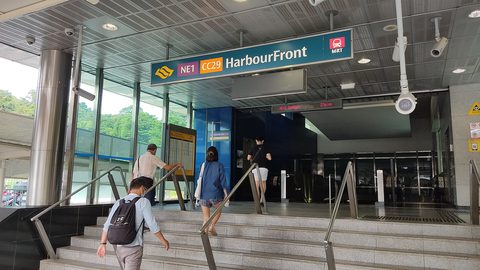 Getting to Changi Airport and Moving Between Its Terminals
How to get from central Singapore to Changi Airport by MRT, ride-hail, or taxi, plus a full guide to moving between terminals and Jewel on the Skytrain or on foot.
Getting to Changi Airport and Moving Between Its Terminals
How to get from central Singapore to Changi Airport by MRT, ride-hail, or taxi, plus a full guide to moving between terminals and Jewel on the Skytrain or on foot.
-
 Multi-City Trips from Singapore and What They Actually Cost
How to build a multi-city trip using Singapore as your hub, with real route pairings, price ranges, and the cheapest order to fly each leg.
Multi-City Trips from Singapore and What They Actually Cost
How to build a multi-city trip using Singapore as your hub, with real route pairings, price ranges, and the cheapest order to fly each leg.
-
 Singapore to Sapporo Flights: The Ski and Snow Route Direct in Season
When the direct Singapore–Sapporo flight operates for ski season, how to reach Niseko from New Chitose, and summer connection options via Tokyo.
Singapore to Sapporo Flights: The Ski and Snow Route Direct in Season
When the direct Singapore–Sapporo flight operates for ski season, how to reach Niseko from New Chitose, and summer connection options via Tokyo.
-
 Singapore to Sydney Flights Compared Across Airlines and Stopover Options
Compare Singapore Airlines, Scoot, Qantas and British Airways on the Singapore to Sydney route, with advice on timing and stopover value.
Singapore to Sydney Flights Compared Across Airlines and Stopover Options
Compare Singapore Airlines, Scoot, Qantas and British Airways on the Singapore to Sydney route, with advice on timing and stopover value.
-
 Singapore to London Flights Direct and One-Stop with Real Fare Data
Singapore to London flight options compared: direct on Singapore Airlines versus one-stop Gulf carriers, with real price spreads and routing advice.
Singapore to London Flights Direct and One-Stop with Real Fare Data
Singapore to London flight options compared: direct on Singapore Airlines versus one-stop Gulf carriers, with real price spreads and routing advice.