What to Know Before You Go to Singapore
Singapore is not a 2-day stopover. Plan at least 4 days, brace for prices on par with London, and avoid December and June unless you book far ahead.
- Flag
-

- ISO code
- SG
- Population
- 5,638,676
- Currency
- SGD
- Dial code
- +65
You Need Four Days, Not Two
Four days is the minimum viable stay in Singapore. Treating it as a two day stopover is the single most common mistake first timers make and it costs you far more than the price of an extra hotel night. The city is compact, yes. You can see the Marina Bay skyline from Chinatown. You can walk from Little India to Kampong Glam in fifteen minutes. But that compactness is a trap. It convinces you that you can tick off the colonial district, the Gardens by the Bay, Sentosa, and the food neighbourhoods in 48 hours. You cannot. You will end up rushing between landmarks, eating at the first hawker centre you find instead of the right one, and leaving without understanding why the city works at all. A four day itinerary gives you one day for the Civic District and the cultural enclaves, one for Marina Bay and the gardens, one for food focused wandering through Tiong Bahru, Katong, and the hawker centres, and one for a day trip to Pulau Ubin or Lazarus Island or just Sentosa. That fourth day is what converts a checklist into an experience. Book it.
When the Price Spikes and When it Does Not
Hotel rates jump 30 to 50 percent in December and June. December brings Christmas decorations, cooler temperatures, and school holidays. The 2026 school holiday runs from 30 May to 28 June and the December break from 21 November to 31 December. June hosts the Great Singapore Sale, which sounds like a bargain but is really a mechanism for charging you more for a room. Shift your trip to February, March, or October and you pay those lower rates. Chinese New Year, falling on 27 and 28 January 2027, causes a different problem: many hawker stalls and family run shops close for two to three days. You do not want to be in Singapore for Chinese New Year with an empty stomach and a premium hotel bill. September brings the Formula 1 Grand Prix weekend, which closes roads and inflates hotel prices across the central districts. The Sumatra haze, unpredictable but most common between June and October, can reduce visibility and make the outdoor attractions unpleasant. The sweet spot for value and weather is February through April and October through November. Book a refundable rate if you must travel in the spike windows, and check the price at a three star hotel in Tiong Bahru or a serviced apartment in Katong before you default to a Marina Bay chain. Value hides in those districts.
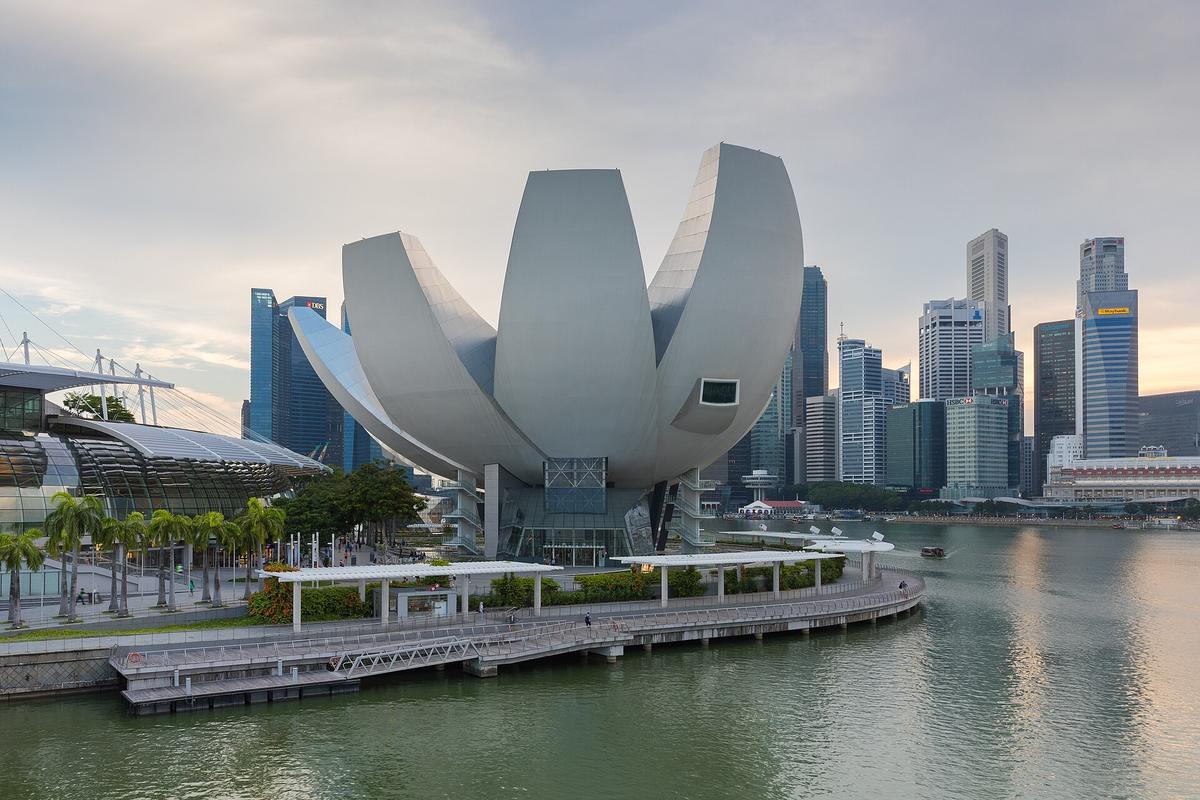

Where Your Money Actually Goes
What Things Cost
Singapore is expensive. Dorm beds start at 30 to 50 Singapore dollars a night. A meal at a hawker centre costs 5 to 7 dollars. A beer in a bar costs 12. Taxis from the airport to the city run 20 to 40 dollars depending on the time and the surge. But the costs that hurt are the ones you do not plan for: buying water because you underestimated the humidity, paying for a third party tour because you did not book the Gardens by the Bay ticket online, or taking a taxi because the afternoon thunderstorm caught you between MRT stations. The afternoon thunderstorms, which hit almost daily between 2 PM and 5 PM, are the most consistent threat to a spontaneous day. Plan your outdoor activities for the morning. Visit Gardens by the Bay at 9 AM when it opens. Walk through the Botanic Gardens before noon. Book the Cloud Forest and Flower Dome online in advance for a discount. The National Orchid Garden costs 5 dollars and is worth every cent. The MacRitchie TreeTop Walk is free but requires a 45 minute walk through the rainforest to reach the suspension bridge. Start that walk by 8 AM to beat the heat and the storms.
Getting Around Without Overpaying
The MRT is your primary transport. Pay with a contactless bank card, Apple Pay, or Google Pay at the fare gates. You do not need to buy a ticket. The 1 day tourist pass costs 22 dollars, the 2 day pass 29 dollars, and the 3 day pass 34 dollars, but these only save money if you take more than five MRT trips a day. Most visitors do not. Buses require you to tap off as well as on. Forget to tap off and you are charged the maximum fare, which can be 3 dollars for a short ride. Use the MRT when you can. Use a Grab when you must. Uber does not operate in Singapore. Download the Grab app before you arrive and link a credit card. The ride hail fare from the airport to the city is 18 to 35 dollars and the trip takes 20 to 25 minutes off peak. The MRT takes 35 to 45 minutes and costs 1.50 to 2.50 dollars. If you land between 11 PM and 5 AM, the MRT has stopped running. The last train from Changi Airport to the city on weekdays leaves at 23:18. The 24 hour bus 36 runs from the airport to Orchard and Marine Parade. Keep that number in your phone.
The Food Strategy
Your food budget depends entirely on where you eat. A meal at a hawker centre costs 5 to 7 dollars. A dinner at a seafood restaurant with chilli crab costs 80 dollars per person and up. The right approach is to eat one hawker meal for lunch and one mid range meal for dinner. Tian Tian at Maxwell Food Centre serves the benchmark Hainanese chicken rice. Arrive before 11 AM or after 2 PM to avoid the queue. Song Fa serves the peppery Teochew style bak kut teh. 328 Katong Laksa serves its noodles cut short so you eat only with a spoon. Liao Fan Hawker Chan and Tai Hwa Pork Noodle have Michelin stars and long lines. Bring cash. Many hawker stalls prefer PayNow or GrabPay, and tourists with no local bank account cannot use those. Reserving a table by placing a tissue packet or a lanyard on it is an enforced social code. Do not sit at a table with an object on it. Do not eat on the MRT or buses. The fines are real and enforced.
The Districts That Reward Your Time
Where to Base Yourself
Stay in Tiong Bahru for the art deco estates and the indie cafes. Stay in Katong or Joo Chiat for the Peranakan shophouses and the laksa. Stay in Chinatown for the hawker chaos and the temples. Do not stay on Orchard Road unless you plan to spend your trip shopping in multi storey malls. Do not stay on Sentosa unless you are travelling with young children and want the beach and the theme parks on your doorstep. The Civic District, which includes the colonial buildings, the museums, and Raffles Hotel, requires a full morning. The National Gallery Singapore, housed in the former Supreme Court and City Hall, holds the best collection of Southeast Asian art in the region. The Asian Civilisations Museum focuses on maritime trade. Both are air conditioned and quiet in the middle of the day, which makes them ideal storm shelters when the rain hits at 2 PM.
What to See and When
Gardens by the Bay is not optional. Book the Cloud Forest and the Flower Dome online. Skip the Supertree Grove at midday and visit after dark when the light show runs. The Singapore Botanic Gardens are free, UNESCO listed, and worth 90 minutes. Haw Par Villa is free, deeply strange, and will take 45 minutes to walk through its graphic dioramas of Chinese mythology. Fort Canning Park, right behind the Civic District, has a spice garden and a WWII bunker and offers a break from the sealed, air conditioned indoor life that dominates Singapore. The Jewel at Changi Airport, with its indoor waterfall and garden maze, is landside, so you can visit on your arrival day or your departure day without needing a boarding pass. Do not leave Singapore without seeing it. Do not plan to see it on a two hour layover. You need at least 90 minutes to walk through the Jewel properly.
Day Trips That Change The Rhythm
Pulau Ubin is a 15 minute bumboat ride from Changi Point Ferry Terminal at 4 dollars each way. The island feels like 1960s Singapore: dirt paths, kampong houses, cycling trails. Rent a bike at the jetty and spend four to six hours riding through the rubber plantations and mangrove boardwalks. Lazarus Island requires a 20 minute ferry from Marina South Pier at 15 dollars return and offers white sand beaches and clear water. A four to six hour trip gives you enough time to swim, sunbathe, and walk the island. Sungei Buloh Wetland Reserve is 45 minutes from the city by MRT and bus, free, and home to migratory birds and wild crocodiles. A three to four hour trip in the early morning or late afternoon, when the birds are active, is the right length. Johor Bahru across the causeway in Malaysia offers cheaper food and shopping, but you need your passport and the border queues can stretch from 45 to 90 minutes. Bintan Island in Indonesia requires a 60 minute ferry at 70 to 100 dollars return and really requires an overnight stay. If you have only four days, skip Bintan. Pick Pulau Ubin instead.
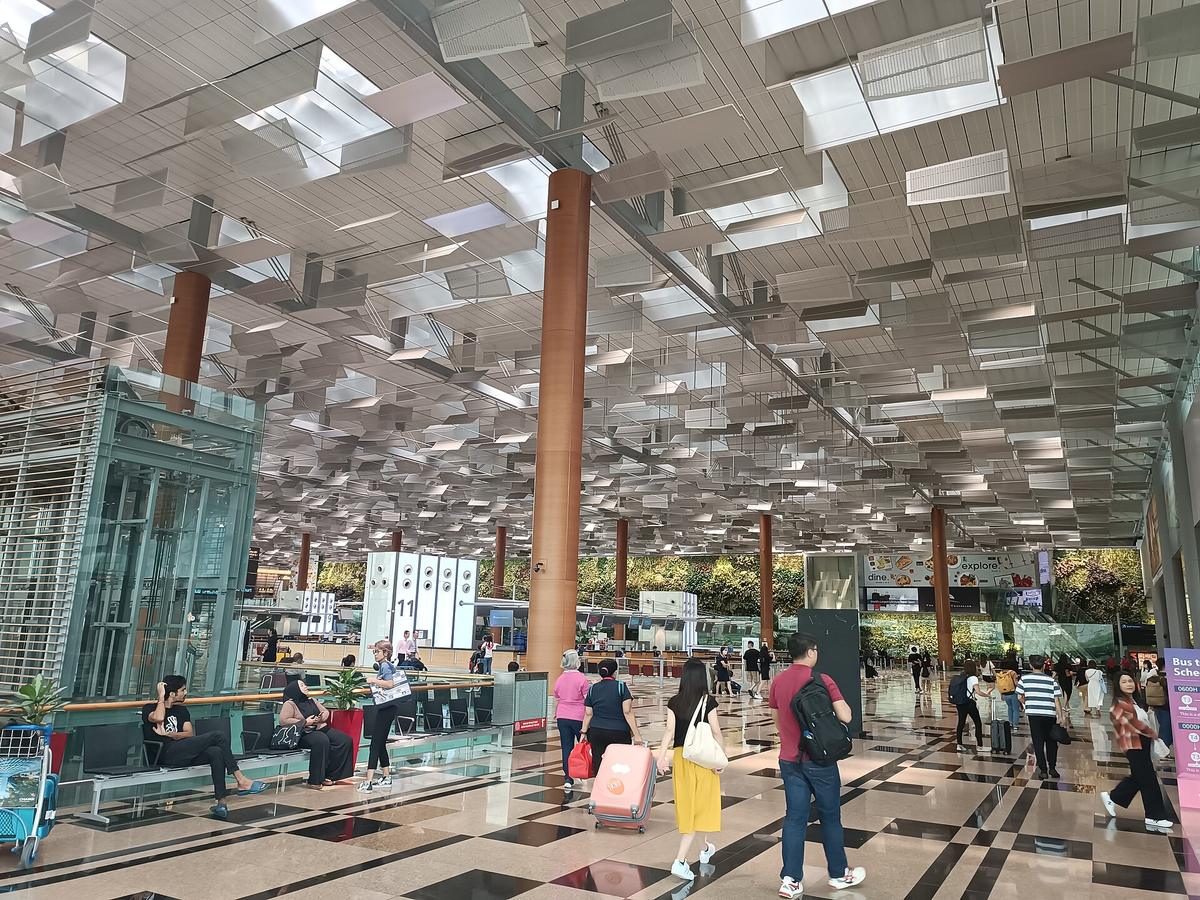
.jpg)
More on Singapore
-
 Singapore to Sapporo Flights: The Ski and Snow Route Direct in Season
When the direct Singapore–Sapporo flight operates for ski season, how to reach Niseko from New Chitose, and summer connection options via Tokyo.
Singapore to Sapporo Flights: The Ski and Snow Route Direct in Season
When the direct Singapore–Sapporo flight operates for ski season, how to reach Niseko from New Chitose, and summer connection options via Tokyo.
-
 Singapore to Sydney Flights Compared Across Airlines and Stopover Options
Compare Singapore Airlines, Scoot, Qantas and British Airways on the Singapore to Sydney route, with advice on timing and stopover value.
Singapore to Sydney Flights Compared Across Airlines and Stopover Options
Compare Singapore Airlines, Scoot, Qantas and British Airways on the Singapore to Sydney route, with advice on timing and stopover value.
-
 Singapore to London Flights Direct and One-Stop with Real Fare Data
Singapore to London flight options compared: direct on Singapore Airlines versus one-stop Gulf carriers, with real price spreads and routing advice.
Singapore to London Flights Direct and One-Stop with Real Fare Data
Singapore to London flight options compared: direct on Singapore Airlines versus one-stop Gulf carriers, with real price spreads and routing advice.
-
 Singapore to Colombo Flights and Why This Short Hop Opens the South Coast
Compare Singapore to Colombo flights on Singapore Airlines, SriLankan and Scoot, with arrival-time advice for south-coast connections.
Singapore to Colombo Flights and Why This Short Hop Opens the South Coast
Compare Singapore to Colombo flights on Singapore Airlines, SriLankan and Scoot, with arrival-time advice for south-coast connections.
-
 Business Class Out of Singapore When the Price Gap Shrinks and How to Book
Where business class from Singapore is genuinely worth the money: routes with narrow price gaps, Gulf carrier deals, and regional sweet spots.
Business Class Out of Singapore When the Price Gap Shrinks and How to Book
Where business class from Singapore is genuinely worth the money: routes with narrow price gaps, Gulf carrier deals, and regional sweet spots.
-
 Miles and Points from Singapore KrisFlyer Transfers and What a Mile Buys
How much a KrisFlyer mile is worth on Singapore departures, which credit card transfers work, and where redemptions beat paid fares.
Miles and Points from Singapore KrisFlyer Transfers and What a Mile Buys
How much a KrisFlyer mile is worth on Singapore departures, which credit card transfers work, and where redemptions beat paid fares.
-
 Flight Delays from Singapore What Compensation and Rights You Actually Have
What compensation and care you are owed when a flight from Singapore is delayed or cancelled, and how Singapore rules differ from EU261.
Flight Delays from Singapore What Compensation and Rights You Actually Have
What compensation and care you are owed when a flight from Singapore is delayed or cancelled, and how Singapore rules differ from EU261.
-
 Visa-Free Destinations from Singapore for Passport Holders and Residents
Visa-free and visa-on-arrival destinations for Singapore passport holders, plus how the list changes for permanent residents of Singapore.
Visa-Free Destinations from Singapore for Passport Holders and Residents
Visa-free and visa-on-arrival destinations for Singapore passport holders, plus how the list changes for permanent residents of Singapore.
-
 Budget Airline Fees from Changi Itemised by Carrier and What They Cost
Itemised fees for Scoot, AirAsia and Jetstar departures from Changi: baggage, seat selection, meals and check-in charges compared.
Budget Airline Fees from Changi Itemised by Carrier and What They Cost
Itemised fees for Scoot, AirAsia and Jetstar departures from Changi: baggage, seat selection, meals and check-in charges compared.
-
 Singapore Red-Eye and Overnight Flights Worth the Lost Sleep
Changi red-eye flights can save a hotel night and land you with a full day ahead, but only on routes where the arrival hour actually works.
Singapore Red-Eye and Overnight Flights Worth the Lost Sleep
Changi red-eye flights can save a hotel night and land you with a full day ahead, but only on routes where the arrival hour actually works.
-
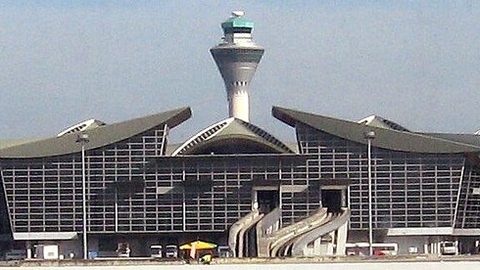 Changi Airport vs KLIA as Your Southeast Asia Flight Hub
KLIA can be cheaper than Changi for long-haul budget flights, but the positioning cost and border time eat into the saving fast.
Changi Airport vs KLIA as Your Southeast Asia Flight Hub
KLIA can be cheaper than Changi for long-haul budget flights, but the positioning cost and border time eat into the saving fast.
-
 Direct or One-Stop from Singapore When the Price Gap Is Big
-
 How Airfares Out of Singapore Actually Work and Where Your Money Goes
A line-by-line breakdown of what you actually pay for when you book a flight out of Changi Airport, from passenger service charges to carrier surcharges.
How Airfares Out of Singapore Actually Work and Where Your Money Goes
A line-by-line breakdown of what you actually pay for when you book a flight out of Changi Airport, from passenger service charges to carrier surcharges.
-
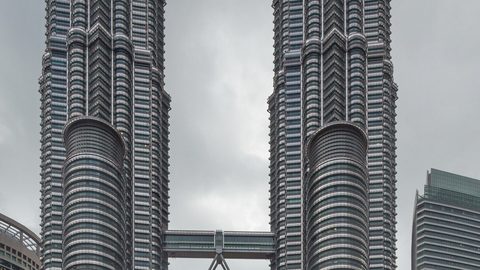 Singapore to Kuala Lumpur: The Route Where Flying Is Often the Wrong Answer
Why the Singapore–Kuala Lumpur flight is often slower door-to-door than the bus or train, with a full time-and-cost breakdown for each option.
Singapore to Kuala Lumpur: The Route Where Flying Is Often the Wrong Answer
Why the Singapore–Kuala Lumpur flight is often slower door-to-door than the bus or train, with a full time-and-cost breakdown for each option.
-
 Singapore to Seoul Flights: Six Hours, Four Seasons and the Incheon Connection
How Singapore–Seoul flight prices shift with the seasons, comparing Singapore Airlines, Korean Air and Scoot, plus Incheon Airport arrival tips.
Singapore to Seoul Flights: Six Hours, Four Seasons and the Incheon Connection
How Singapore–Seoul flight prices shift with the seasons, comparing Singapore Airlines, Korean Air and Scoot, plus Incheon Airport arrival tips.
-
 Which Airline to Pick for Every Route Out of Singapore
A route-by-route guide to choosing between Singapore Airlines, Scoot, and every carrier operating out of Changi, weighing price, comfort, and terminal experience.
Which Airline to Pick for Every Route Out of Singapore
A route-by-route guide to choosing between Singapore Airlines, Scoot, and every carrier operating out of Changi, weighing price, comfort, and terminal experience.
-
 Student and Youth Airfares from Singapore Worth Claiming
A practical guide to student and under-26 airfare discounts actually available for departures from Singapore, including baggage perks and flexible rebooking terms.
Student and Youth Airfares from Singapore Worth Claiming
A practical guide to student and under-26 airfare discounts actually available for departures from Singapore, including baggage perks and flexible rebooking terms.
-
 Air Passes and Multi-City Fares from Singapore When the Maths Works
A cost-comparison guide to air passes and multi-city fares that start in Singapore, showing exactly when bundled pricing beats booking individual flights.
Air Passes and Multi-City Fares from Singapore When the Maths Works
A cost-comparison guide to air passes and multi-city fares that start in Singapore, showing exactly when bundled pricing beats booking individual flights.
-
 Stopover Deals Out of Singapore That Give You Two Trips for One Fare
How to build a free or heavily discounted stopover into a flight departing Singapore, turning one ticket into two destinations with no extra airfare cost.
Stopover Deals Out of Singapore That Give You Two Trips for One Fare
How to build a free or heavily discounted stopover into a flight departing Singapore, turning one ticket into two destinations with no extra airfare cost.
-
 Changi Airport Guide for People Who Actually Have Time to Kill
A terminal-by-terminal guide to Changi Airport for long layovers, covering airside transfers, Jewel access requirements, free city tours, and where to sleep.
Changi Airport Guide for People Who Actually Have Time to Kill
A terminal-by-terminal guide to Changi Airport for long layovers, covering airside transfers, Jewel access requirements, free city tours, and where to sleep.
-
 Singapore Departure Baggage Allowances by Fare Type and Airline
A clear breakdown of checked and carry-on baggage allowances by fare type for airlines departing Singapore, plus the real cost of adding extra weight at Changi Airport.
Singapore Departure Baggage Allowances by Fare Type and Airline
A clear breakdown of checked and carry-on baggage allowances by fare type for airlines departing Singapore, plus the real cost of adding extra weight at Changi Airport.
-
 Flights From Singapore to Tokyo Narita and Haneda Compared
A practical comparison of direct flights from Singapore to Tokyo, covering Narita versus Haneda, the five airlines on the route, and when prices spike.
Flights From Singapore to Tokyo Narita and Haneda Compared
A practical comparison of direct flights from Singapore to Tokyo, covering Narita versus Haneda, the five airlines on the route, and when prices spike.
-
 Singapore to Osaka Flights and Why Kansai Beats Tokyo as an Entry Point
Why flying from Singapore into Osaka's Kansai Airport can be a smarter Japan entry than Tokyo, with details on the two direct carriers and Kyoto connections.
Singapore to Osaka Flights and Why Kansai Beats Tokyo as an Entry Point
Why flying from Singapore into Osaka's Kansai Airport can be a smarter Japan entry than Tokyo, with details on the two direct carriers and Kyoto connections.
-
 Singapore to Bangkok Flights on the Busiest Route Out of Changi
A complete guide to the eight airlines flying direct from Singapore to Bangkok, covering the two Bangkok airports, weekend price surges, and which carrier suits each trip.
Singapore to Bangkok Flights on the Busiest Route Out of Changi
A complete guide to the eight airlines flying direct from Singapore to Bangkok, covering the two Bangkok airports, weekend price surges, and which carrier suits each trip.
-
 Singapore to Bali Flights and What the Weekend Route Costs in Peak Season
What Singapore to Bali flights cost on peak weekends versus midweek, plus the Nyepi airport closure that catches Changi travellers off guard every year.
Singapore to Bali Flights and What the Weekend Route Costs in Peak Season
What Singapore to Bali flights cost on peak weekends versus midweek, plus the Nyepi airport closure that catches Changi travellers off guard every year.
-
 Singapore to Taipei Direct Flights That Are Cheap and Consistently Underrated
A guide to the five airlines flying nonstop from Singapore to Taipei, why this route is a better-value East Asian city break, and the Hello Kitty jet option.
Singapore to Taipei Direct Flights That Are Cheap and Consistently Underrated
A guide to the five airlines flying nonstop from Singapore to Taipei, why this route is a better-value East Asian city break, and the Hello Kitty jet option.
-
 Singapore to Maldives Flights and the Seaplane Transfer You Book Separately
Why the Singapore to Malé flight is only half the journey, and how to book the separate seaplane or speedboat transfer that gets you to your Maldives resort.
Singapore to Maldives Flights and the Seaplane Transfer You Book Separately
Why the Singapore to Malé flight is only half the journey, and how to book the separate seaplane or speedboat transfer that gets you to your Maldives resort.
-
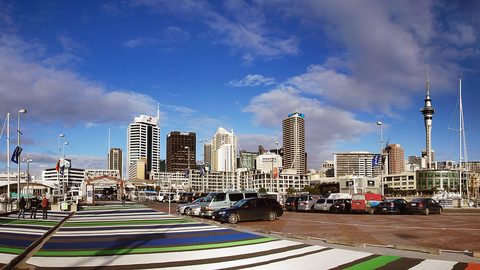 Singapore to Auckland Flights and the Stopover That Pays for Itself
-
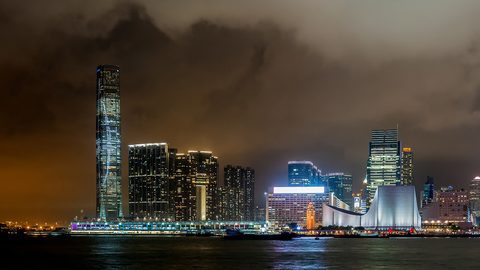 Singapore to Hong Kong Flights: The Business Route and the Cheap Seats
Comparing Singapore Airlines, Cathay Pacific and Scoot on the Singapore–Hong Kong route for every cabin tier, with real weekend return prices.
Singapore to Hong Kong Flights: The Business Route and the Cheap Seats
Comparing Singapore Airlines, Cathay Pacific and Scoot on the Singapore–Hong Kong route for every cabin tier, with real weekend return prices.
-
 Singapore to Phuket Flights: The Beach Weekend and the Monsoon That Decides It
When to book a Singapore–Phuket flight so the Andaman monsoon doesn't ruin your beach weekend, with airline options and date windows.
Singapore to Phuket Flights: The Beach Weekend and the Monsoon That Decides It
When to book a Singapore–Phuket flight so the Andaman monsoon doesn't ruin your beach weekend, with airline options and date windows.
-
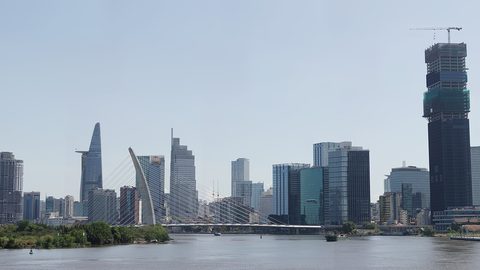 Singapore to Ho Chi Minh City Flights: Two Hours and Consistently Cheap
Why Singapore–Ho Chi Minh City flights stay cheap year-round, with a side-by-side comparison of Scoot, VietJet and Singapore Airlines.
Singapore to Ho Chi Minh City Flights: Two Hours and Consistently Cheap
Why Singapore–Ho Chi Minh City flights stay cheap year-round, with a side-by-side comparison of Scoot, VietJet and Singapore Airlines.
-
 When to Book Flights from Singapore Without Overpaying
The booking windows that actually deliver lower fares out of Singapore, timed around the city's own school holidays, festival exodus dates, and seasonal demand shifts.
When to Book Flights from Singapore Without Overpaying
The booking windows that actually deliver lower fares out of Singapore, timed around the city's own school holidays, festival exodus dates, and seasonal demand shifts.
-
 Cheap Flight Tricks That Still Work from Singapore and the Ones That Backfire
A clear-eyed look at which flight-booking hacks still work for departures out of Changi Airport and which tactics risk cancelled tickets or denied boarding.
Cheap Flight Tricks That Still Work from Singapore and the Ones That Backfire
A clear-eyed look at which flight-booking hacks still work for departures out of Changi Airport and which tactics risk cancelled tickets or denied boarding.
Common Questions
Is Singapore really worth the cost for a first time visitor?
Yes, if you plan it right. A four day trip costs roughly the same as a weekend in Tokyo or London. The difference is that Singapore’s food, gardens, and infrastructure are exceptionally good. The misery arrives when you try to do a cheap two day stopover and end up paying for taxis and mistakes.
Can I use my credit card everywhere in Singapore?
No. Hawker stalls and small shops increasingly use local payment apps like PayNow and GrabPay. Tourists without a local bank account need cash. Withdraw at the airport or at any UOB, DBS, or OCBC ATM. Credit cards work at hotels, restaurants, and attractions.
What is the best month to go for cheap hotels?
February, March, or October. These months fall outside the December and June school holiday spikes, the Chinese New Year closures, and the Formula 1 weekend. Hotel rates are 30 to 50 percent lower. The weather is still hot and humid, but the afternoon thunderstorms are shorter.
How do I survive the afternoon thunderstorms?
Plan outdoor activities for the morning. Visit the Botanic Gardens, the MacRitchie TreeTop Walk, and the outdoor temples before noon. When the rain starts, retreat to an indoor attraction: the National Gallery, the Asian Civilisations Museum, the S.E.A. Aquarium, or a shopping mall. The storms last one to three hours and then clear.
Read next
-
 Changi Airport Layover Hotels and Transit Accommodation Compared
A detailed comparison of every sleep option at Singapore Changi Airport, from airside transit hotels to the landside YOTELAIR in Jewel and the Crown Plaza.
Changi Airport Layover Hotels and Transit Accommodation Compared
A detailed comparison of every sleep option at Singapore Changi Airport, from airside transit hotels to the landside YOTELAIR in Jewel and the Crown Plaza.
-
 Staying Near Changi Airport and Whether It Is Worth It
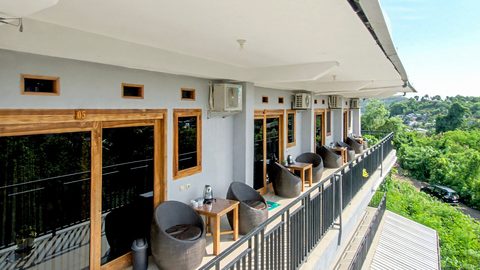
A comparison of hotels near Singapore Changi Airport versus staying in the city, covering Katong, East Coast, and Changi Village for short stays and early departures.
Staying Near Changi Airport and Whether It Is Worth It
A comparison of hotels near Singapore Changi Airport versus staying in the city, covering Katong, East Coast, and Changi Village for short stays and early departures.
-
 Singapore Flight Network, Carriers and Seasonal Route Guide
A complete overview of every airline and direct destination served from Singapore Changi Airport, from Singapore Airlines to budget carriers like Scoot and Jetstar Asia.
Singapore Flight Network, Carriers and Seasonal Route Guide
A complete overview of every airline and direct destination served from Singapore Changi Airport, from Singapore Airlines to budget carriers like Scoot and Jetstar Asia.
-
 A Long Layover at Changi Airport What Is Actually Worth Doing
A realistic guide to Singapore Changi Airport layovers, from terminal gardens and Jewel's indoor waterfall to the Free Singapore Tour and a quick city dash for laksa.
A Long Layover at Changi Airport What Is Actually Worth Doing
A realistic guide to Singapore Changi Airport layovers, from terminal gardens and Jewel's indoor waterfall to the Free Singapore Tour and a quick city dash for laksa.
-
 Cheapest and Most Expensive Weeks to Fly From Singapore
A month-by-month breakdown of when flights from Singapore cost the most and least, driven by local school holidays, festivals, and seasonal demand patterns.
Cheapest and Most Expensive Weeks to Fly From Singapore
A month-by-month breakdown of when flights from Singapore cost the most and least, driven by local school holidays, festivals, and seasonal demand patterns.
-
 Getting to Changi Airport and Moving Between Its Terminals
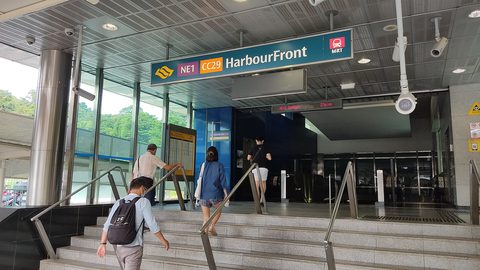
How to get from central Singapore to Changi Airport by MRT, ride-hail, or taxi, plus a full guide to moving between terminals and Jewel on the Skytrain or on foot.
Getting to Changi Airport and Moving Between Its Terminals
How to get from central Singapore to Changi Airport by MRT, ride-hail, or taxi, plus a full guide to moving between terminals and Jewel on the Skytrain or on foot.
-
Singapore to Sapporo Flights: The Ski and Snow Route Direct in Season
When the direct Singapore–Sapporo flight operates for ski season, how to reach Niseko from New Chitose, and summer connection options via Tokyo.
-
Singapore to Sydney Flights Compared Across Airlines and Stopover Options
Compare Singapore Airlines, Scoot, Qantas and British Airways on the Singapore to Sydney route, with advice on timing and stopover value.
-
Singapore to London Flights Direct and One-Stop with Real Fare Data
Singapore to London flight options compared: direct on Singapore Airlines versus one-stop Gulf carriers, with real price spreads and routing advice.