Johor Bahru or Changi for Regional Flights When the Detour Pays
A practical guide to Johor Bahru or Changi for Regional Flights When the Detour Pays.

What each airport actually offers the regional traveller
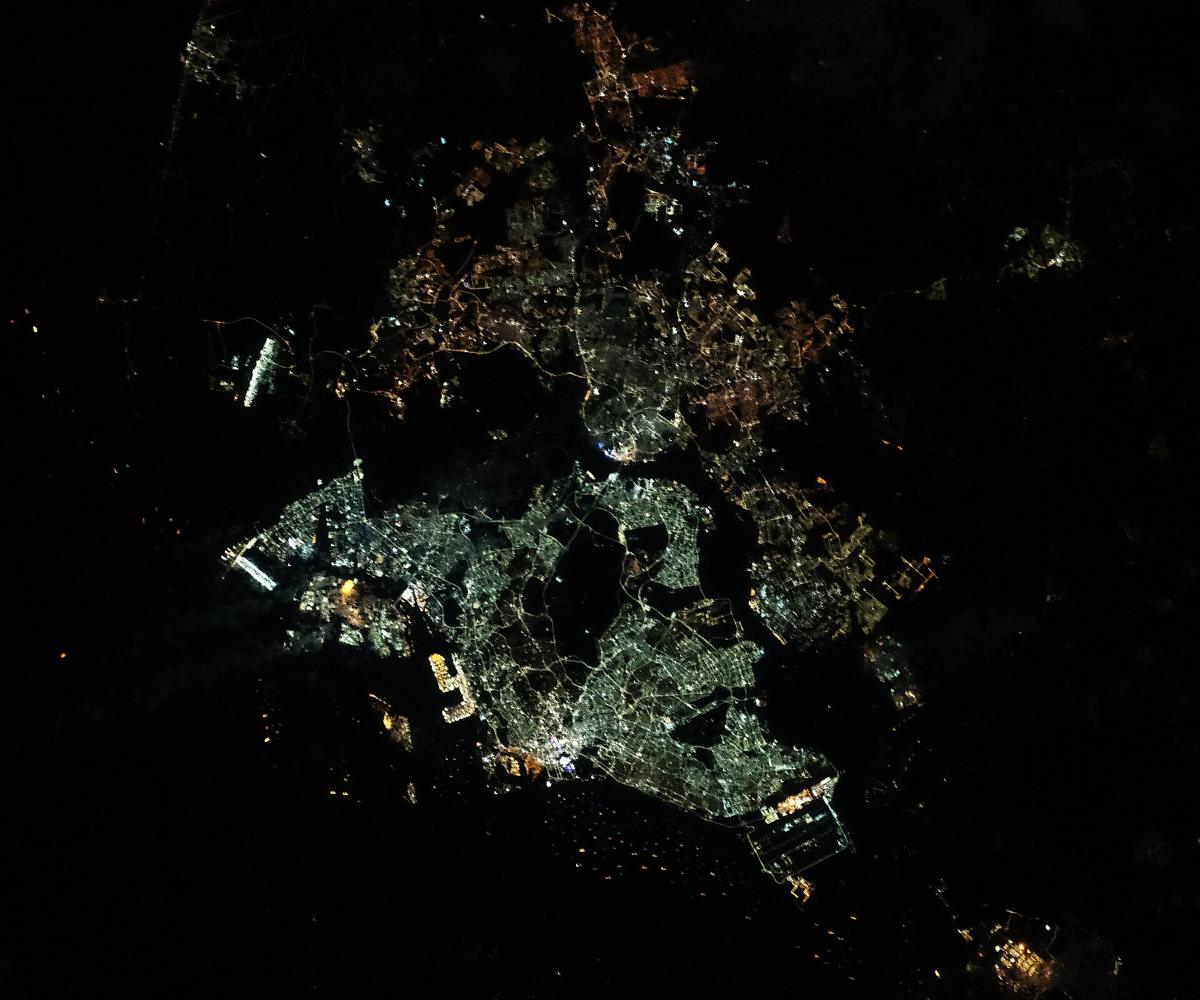
Changi Airport connects Singapore to more than 170 cities across roughly 50 countries and territories. About 100 airlines operate over 7,300 scheduled flights each week from the airport, and in 2025 it handled a record 69.98 million passengers. For a traveller starting in Singapore, the network breadth means most regional destinations are served by multiple carriers with high frequency, often several times daily.
Senai International Airport in Johor Bahru operates on a different scale. It handled 3.36 million passengers in 2024, with domestic traffic accounting for roughly 2.7 million of those movements. The airport serves about 22 direct destinations across seven countries. The busiest routes are Kuala Lumpur, Penang, Kuching, Kota Kinabalu, and Bangkok through Don Mueang. Airlines operating there include Malaysia Airlines, AirAsia, Firefly, Batik Air Malaysia, and Indonesia AirAsia, with AirAsia running the majority of domestic and regional international flights.
The practical difference is straightforward. Changi offers depth and redundancy: if one flight is full or cancelled, alternatives on the same day are common. Senai offers a narrower set of choices, concentrated on Malaysian domestic points and a handful of nearby international cities. A traveller whose destination appears on Senai's route map has a genuine alternative airport. A traveller whose destination does not appear there has no decision to make.
The cost of the airport itself
Departing from Changi Airport means paying passenger charges that are set and published. For an origin-destination ticket between 1 April 2026 and 31 March 2027, the total is S$65.20 per passenger, made up of a S$46.40 Passenger Service and Security Fee, an S$8.00 Aviation Levy, and a S$10.80 Airport Development Levy. From 1 April 2027 the total rises to S$70.20, with the PSSF component increasing by S$3 each subsequent April through to 2030. A separate sustainable aviation fuel levy applies to tickets sold from 1 April 2026 for flights departing Changi from 1 October 2026; for economy class to Southeast Asia the levy is S$1.00 per passenger.
Senai Airport's regulated passenger service charge is RM13 for a domestic origin-destination passenger and RM44 for an international origin-destination passenger, under rates effective from 1 June 2024 to 31 December 2026. These charges are set by the Malaysian Aviation Commission and apply only through the current regulatory period; rates may change after 31 December 2026.
Comparing the two requires a currency conversion at the prevailing rate, but the structural gap is clear even before arithmetic. Changi's charges are higher in absolute terms and are on a published upward trajectory through the end of the decade. Senai's charges are lower and fixed only through 2026, after which the regulator may revise them. A traveller weighing cost should check the current MAVCOM schedule for Senai and the CAAS fee table for Changi at the time of booking, because both can change.
Getting to Senai means crossing a border
Senai Airport sits roughly 23 km from Johor Bahru city centre. Reaching it from Singapore requires a land crossing, and the time that crossing takes is the single largest variable in the decision. The Woodlands Causeway typically takes 15 to 30 minutes off-peak but can extend to two to three hours during Friday evenings or public-holiday eves. The Tuas Second Link is generally quieter, but it deposits travellers about 45 minutes west of the JB city centre, adding driving time on the Malaysian side before reaching the airport.
Cross-border bus services connect Singapore to Johor Bahru. Causeway Link CW1 departs from Kranji MRT, and CW2 runs from Queen Street Terminal on a 24-hour schedule. Under moderate conditions, door-to-door journey times by bus typically range from 1.5 to 2.5 hours. That range does not include the additional transfer from the JB checkpoint or city centre to Senai Airport itself.
No fixed travel time can be quoted reliably. Border wait times vary dramatically by day, time, and holiday period. The prudent approach is to check live traffic conditions at both checkpoints before departing, using official camera feeds and wait-time estimates published by Singapore's traffic monitoring services. A traveller who cannot tolerate uncertainty should treat the land crossing as the decisive factor and default to Changi.
When the fare difference might justify the detour
The airfare itself is the variable that can tip the scales. Airfares on specific routes from both Changi and Senai change daily, and no fixed comparison holds across all dates. A traveller must compare fares for their exact travel dates on airline booking sites. The airlines to check on the Senai side include AirAsia, Malaysia Airlines, Batik Air Malaysia, Firefly, and Indonesia AirAsia. On the Changi side, the relevant carriers depend on the destination, but the pool is far larger.
The editorial recommendation is to treat the fare comparison as a two-step process. First, check whether the destination is even served from Senai. If it is, price the itinerary from both airports on identical or near-identical dates. Then add the cost and time of the land crossing. A fare saving that looks large on screen can shrink or disappear once ground transport, border uncertainty, and the value of time are accounted for. The calculation is personal: a traveller with flexibility and a high tolerance for border variability will set a different threshold than one on a tight schedule.
Flight schedules, frequencies, and route availability at both airports are subject to seasonal changes and airline operational decisions. A route that appears on Senai's destination list today may not operate daily or may shift seasonally. Confirm the schedule on the airline's booking site before planning, and do not assume a flight exists on a given day simply because the route is listed on the airport's network map.
The tradeoffs in one view
The choice between Changi and Senai for a regional flight is not a matter of one airport being better. It is a tradeoff between three factors that each traveller weights differently.
Changi offers frequency, network depth, and predictability. The passenger charges are higher and rising, but the airport is accessible without a land border crossing, and the schedule density means a missed flight is an inconvenience rather than a day lost. Senai offers lower passenger charges and, on overlapping routes, potentially lower airfares. The cost of accessing it is time, variability, and the logistics of a border crossing whose duration can range from trivial to punishing depending on when a traveller moves.
A traveller whose destination is not on Senai's route map has no decision to make. A traveller whose destination is served from both airports should compare fares on the specific travel date, check the current passenger charges at both airports through their respective regulators, assess the live border situation, and decide whether the total saving justifies the total extra time. There is no universal answer, only a consistent method for finding one.
Sources and verification
- mot.gov.sg — Research source checked for this guide
- changiairport.com — Research source checked for this guide
- airspacetimes.com — Research source checked for this guide
- airportia.com — Research source checked for this guide
- senaiairport.com — Research source checked for this guide
- changiairport.com — Research source checked for this guide
Read next
-

 Changi Airport Layover Hotels and Transit Accommodation Compared
A detailed comparison of every sleep option at Singapore Changi Airport, from airside transit hotels to the landside YOTELAIR in Jewel and the Crown Plaza.
-
 Staying Near Changi Airport and Whether It Is Worth It
A comparison of hotels near Singapore Changi Airport versus staying in the city, covering Katong, East Coast, and Changi Village for short stays and early departures.
-
 Singapore Flight Network, Carriers and Seasonal Route Guide
A complete overview of every airline and direct destination served from Singapore Changi Airport, from Singapore Airlines to budget carriers like Scoot and Jetstar Asia.
-
 A Long Layover at Changi Airport What Is Actually Worth Doing
A realistic guide to Singapore Changi Airport layovers, from terminal gardens and Jewel's indoor waterfall to the Free Singapore Tour and a quick city dash for laksa.
-
 Cheapest and Most Expensive Weeks to Fly From Singapore
A month-by-month breakdown of when flights from Singapore cost the most and least, driven by local school holidays, festivals, and seasonal demand patterns.
-
 Getting to Changi Airport and Moving Between Its Terminals
How to get from central Singapore to Changi Airport by MRT, ride-hail, or taxi, plus a full guide to moving between terminals and Jewel on the Skytrain or on foot.
-
 Singapore to Sapporo Flights: The Ski and Snow Route Direct in Season
When the direct Singapore–Sapporo flight operates for ski season, how to reach Niseko from New Chitose, and summer connection options via Tokyo.
-
 Singapore to Sydney Flights Compared Across Airlines and Stopover Options
Compare Singapore Airlines, Scoot, Qantas and British Airways on the Singapore to Sydney route, with advice on timing and stopover value.
-
 Singapore to London Flights Direct and One-Stop with Real Fare Data
Singapore to London flight options compared: direct on Singapore Airlines versus one-stop Gulf carriers, with real price spreads and routing advice.