Singapore to Tokyo Direct Flights, Airports and the Best Season to Book
A practical comparison of direct flights from Singapore to Tokyo, covering Narita versus Haneda, the five airlines on the route, and when prices spike.
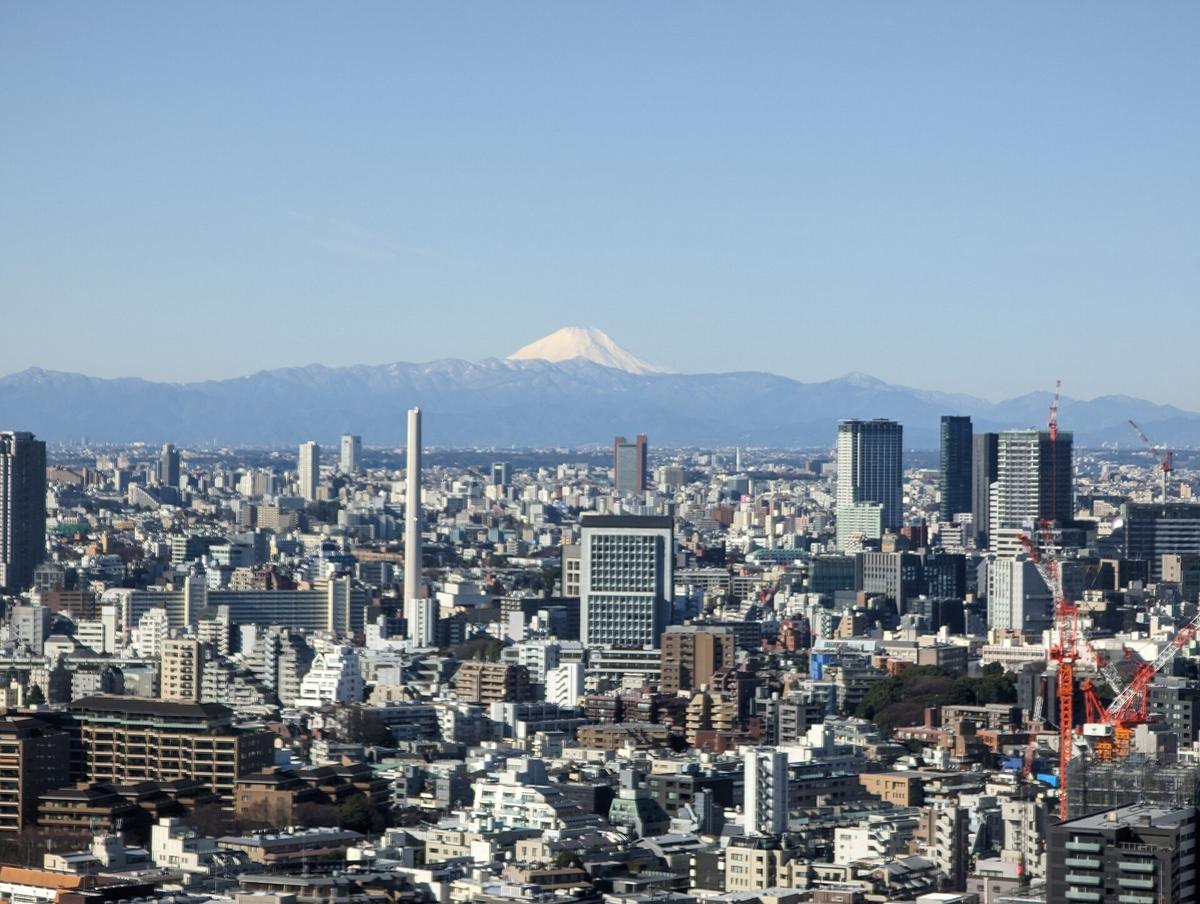
Singapore to Tokyo Direct Flights: Narita or Haneda and the Airline Choice That Saves You Hours
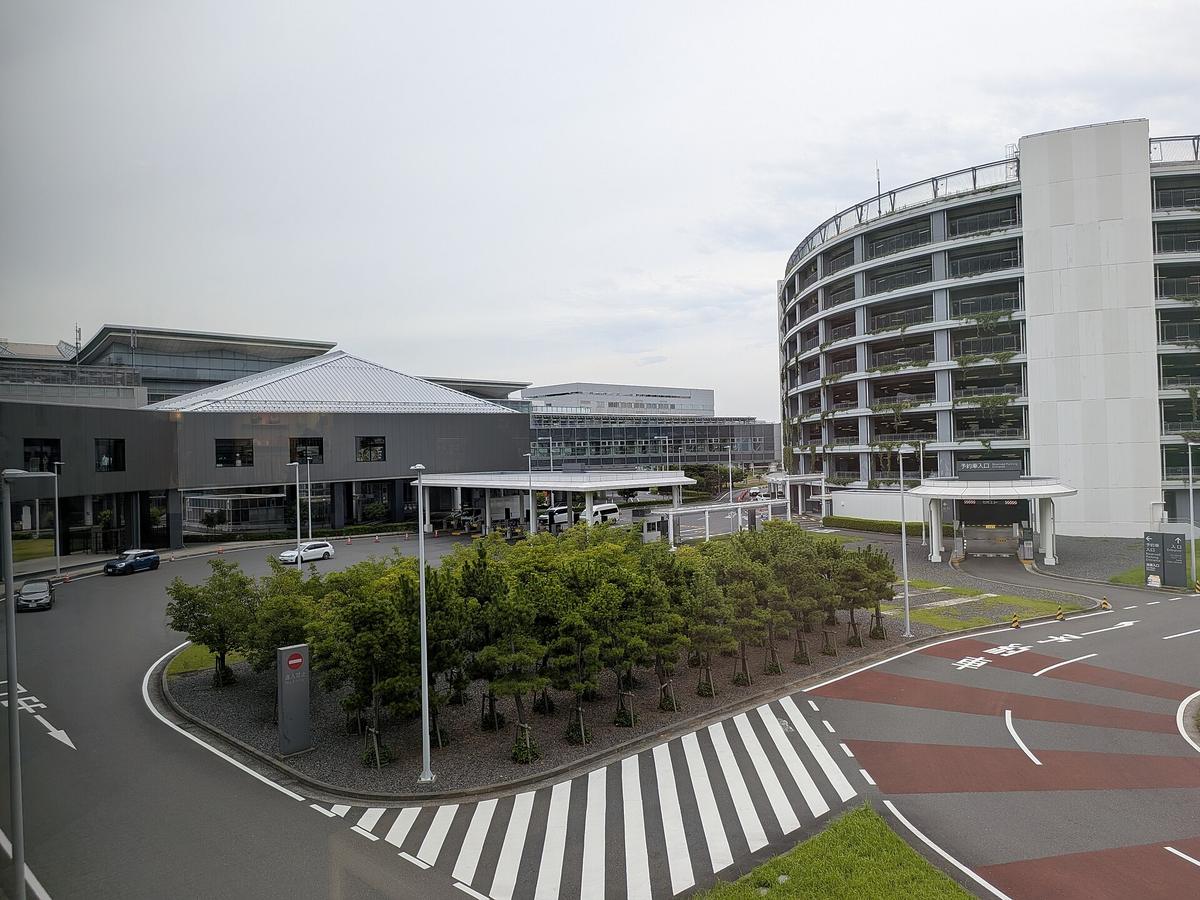
The common wrong assumption is that Narita and Haneda are interchangeable, that the 45-minute difference in train time is a minor inconvenience you trade for a cheaper ticket. The truth: choosing Haneda over Narita saves you 30 to 40 minutes each way on ground transfer. On a four-day trip that adds up to over an hour of your limited time. Haneda sits 20 kilometres from Tokyo Station, a 25- to 35-minute train ride costing ¥500 to ¥700. Narita sits 65 kilometres out, requiring 55 to 70 minutes by train at ¥1,200 to ¥3,000 depending on the service class you choose.
That time gap is why Haneda commands a fare premium of 10 to 30 percent over Narita for the same travel dates. The question is whether paying that premium makes sense for your trip, and which of the five operators flying direct from Singapore Changi to Tokyo gives you the best value at each airport.
Five operators fly non-stop from Singapore to Tokyo. Singapore Airlines, ANA, and Japan Airlines serve both Haneda and Narita. Scoot and Zipair Tokyo serve only Narita. The scheduled flight time eastbound runs 6 hours 45 minutes to 7 hours 20 minutes, with Haneda arrivals 5 to 10 minutes quicker than Narita. Westbound returns take 7 hours 15 minutes to 7 hours 50 minutes.
Why Haneda is Worth the Premium
For a Central Tokyo Stay
If your hotel is in central Tokyo. Shinjuku, Shibuya, Ginza, Marunouchi. You land at Haneda and you can be checked in and walking to dinner inside 45 minutes from wheels-down. From Narita you are looking at 90 minutes minimum, and if your flight arrives after 9 PM the train frequency drops and the taxi fare becomes punishing. For a short trip, four days or less, the hour you save on each transfer is not a luxury. It is more than 10 percent of your waking time in the city. Skip Haneda only if you are connecting immediately to another Japanese city by Shinkansen. In that case Narita's direct rail links to Tokyo Station, where the Shinkansen departs, make the longer trip a wash since you are going to the station anyway.
The Overnight Advantage
Singapore Airlines, ANA, and Japan Airlines all offer multiple daily departures into Haneda. The overnight departures, departing 22:00 to 01:00, arrive 06:00 to 09:00 the next day. The daytime departures, 07:00 to 11:00, land 14:00 to 18:00 same day. The overnight flight to Haneda is the power move. You sleep on the plane, you land at 7 AM, you take the 25-minute train to Tokyo Station, you drop your bag at a coin locker or your hotel, and you have a full day ahead of you. You cannot do that with Narita. The extra train time makes an 8 AM arrival feel like 10 AM.
The Five Carriers Compared
Singapore Airlines: Haneda And Narita
Singapore Airlines is the premium benchmark on this corridor. It flies multiple daily to Haneda and daily to Narita. Its economy product is consistent, its business class is among the best in the region, and its KrisFlyer miles are easy to earn if you hold a Singapore-issued credit card. The catch: it charges the full-service premium. Expect to pay 1.5 to 2.5 times what a low-cost operator charges for the same route. If your company books your travel or you have points to burn, this is your choice. If you are paying cash and value is the priority, you can do better.
ANA And Japan Airlines: Haneda And Narita
ANA and JAL are Japan's legacy operators. Both fly daily to both Tokyo airports from Singapore. Their service standards are high, their business-class seats are competitive with Singapore Airlines, and their economy cabins are more comfortable than most European rivals. The key difference from Singapore Airlines is frequent-flier programs. ANA is in Star Alliance. JAL is in Oneworld. If you have status with either alliance, or if you plan a multi-city Japan trip and want to use your miles for domestic segments, choose the operator that matches your existing loyalty. Both price within 10 percent of Singapore Airlines.
Scoot: Narita Only
Scoot is Singapore Airlines' low-cost subsidiary. It flies daily to Narita. The base fare is low. The add-ons are where they get you. Baggage, meals, seat selection. If you travel with only a personal item and bring your own food, the all-in cost can be half of a full-service ticket. If you add a checked bag, a meal, and a standard seat, you are looking at 60 to 70 percent of the legacy fare. Scoot uses a Boeing widebody for this route. Seat pitch in economy is 31 inches, tight for a seven-hour flight but workable for the price. The failure case with Scoot: delays. Its turnaround times at Narita are short and a late inbound can cascade. If you have a same-day connection in Tokyo, book a buffer of at least four hours.
Zipair Tokyo: Narita Only
Zipair is JAL's low-cost subsidiary and the most interesting option on this corridor. It flies daily to Narita. The base economy fare is competitive with Scoot. The reason to choose Zipair over Scoot is its flat-bed business-class product. Zipair sells flat-bed seats at a fraction of the legacy price. A Zipair flat-bed can cost two to three times its economy fare, compared to four to six times on Singapore Airlines or JAL. The business-class seat on Zipair is the identical seat used in a premium cabin on a short-haul JAL route. The trade-off is minimal service. No lounge access, no meal service beyond a buy-on-board menu, no priority baggage except through the business-fare tier. If you can sleep upright on a plane, Scoot is cheaper. If a flat bed turns a red-eye into productive rest time, Zipair business class is the single best value on this route. Book it at least three months ahead for the lowest business fare.
When to Book and What it Costs
Seasonal Price Bands
The cheapest months for Singapore to Tokyo fares are mid-January to late February, late May to early June, and September through early November. In low season, an economy return from Singapore to Tokyo costs SGD 400 to 700 across all operators. In shoulder season, June to August excluding school holidays and the November foliage season, that band rises to SGD 600 to 1,000. Peak season. Cherry blossom in late March to early April, Golden Week from April 29 to May 5, and the year-end holidays from mid-December to early January. These push economy return fares to SGD 1,000 to 1,800.
Target Late May
Cherry blossom surcharges are real. If you are not travelling specifically for the blooms, late May is the relative calm. The blossoms are gone, Golden Week is over, and the weather is pleasant without the June rainy season. Fares drop back into the low-season band.
One more factor. Zipair and Scoot run sales for travel in the shoulder months. Set a price alert on an aggregator for both. When the all-in fare for Zipair business class drops to SGD 800 to 1,000 return, book it. That is a flat-bed seat across the Pacific for less than a full-service economy ticket in peak season.
| Carrier | Airport | Frequency From SIN | Fare Level | Best Use Case |
|---|---|---|---|---|
| Singapore Airlines | HND, NRT | Multiple daily (HND); daily (NRT) | Full-service, premium | Business travel, points redemption, overnight arrival to Haneda |
| ANA | HND, NRT | Multiple daily (HND); daily (NRT) | Full-service, premium | Star Alliance loyalty, Haneda arrival, comfort |
| Japan Airlines | HND, NRT | Daily (HND); daily (NRT) | Full-service, premium | Oneworld loyalty, Haneda arrival, comfort |
| Scoot | NRT only | Daily | Low-cost, base fare half of legacy | Budget travel with personal item only, no connections |
| Zipair Tokyo | NRT only | Daily | Low-cost economy, business class 2-3x economy | Flat-bed business at fraction of legacy price, priority for sleep |


One-Stop Options: When Direct is Not the Answer
If you need to book last-minute and direct fares are above SGD 1,800, or if you want to break the journey, consider a one-stop operator. Cathay Pacific via Hong Kong, Malaysia Airlines via Kuala Lumpur, Thai Airways via Bangkok, Philippine Airlines via Manila, Vietnam Airlines via Hanoi or Ho Chi Minh City, China Airlines or EVA Air via Taipei, Garuda Indonesia via Jakarta, and Batik Air Malaysia via Kuala Lumpur all serve Tokyo. These flights take 9 to 13 hours total depending on layover. They are rarely cheaper than the direct low-cost operators, but they can be cheaper than peak-season legacy direct fares. Only choose a one-stop if you are using points on the connecting operator or if you want a short stopover in the hub city. For a direct flight shopper, Scoot and Zipair will almost always undercut the one-stop options on price.
The Japan Rail Pass Question for This Trip
The 7-day nationwide Japan Rail Pass costs ¥50,000 as of the October 2023 JR Group revision. For a return trip from Tokyo to Osaka the Shinkansen fare without a pass is ¥28,000 to ¥30,000. That fact alone tells you the pass only breaks even if you make that return plus at least one additional long-distance segment. For a Tokyo-only trip, do not buy the pass. Your daily local transit spend with a Suica or Pasmo card rarely exceeds ¥1,500 to ¥2,000. Buying the pass for a single-city Tokyo trip is the most common mistake on this route.
Read next
-

 Changi Airport Layover Hotels and Transit Accommodation Compared
A detailed comparison of every sleep option at Singapore Changi Airport, from airside transit hotels to the landside YOTELAIR in Jewel and the Crown Plaza.
Changi Airport Layover Hotels and Transit Accommodation Compared
A detailed comparison of every sleep option at Singapore Changi Airport, from airside transit hotels to the landside YOTELAIR in Jewel and the Crown Plaza.
-
 Staying Near Changi Airport and Whether It Is Worth It
A comparison of hotels near Singapore Changi Airport versus staying in the city, covering Katong, East Coast, and Changi Village for short stays and early departures.
Staying Near Changi Airport and Whether It Is Worth It
A comparison of hotels near Singapore Changi Airport versus staying in the city, covering Katong, East Coast, and Changi Village for short stays and early departures.
-
 Singapore Flight Network, Carriers and Seasonal Route Guide
A complete overview of every airline and direct destination served from Singapore Changi Airport, from Singapore Airlines to budget carriers like Scoot and Jetstar Asia.
Singapore Flight Network, Carriers and Seasonal Route Guide
A complete overview of every airline and direct destination served from Singapore Changi Airport, from Singapore Airlines to budget carriers like Scoot and Jetstar Asia.
-
 A Long Layover at Changi Airport What Is Actually Worth Doing
A realistic guide to Singapore Changi Airport layovers, from terminal gardens and Jewel's indoor waterfall to the Free Singapore Tour and a quick city dash for laksa.
A Long Layover at Changi Airport What Is Actually Worth Doing
A realistic guide to Singapore Changi Airport layovers, from terminal gardens and Jewel's indoor waterfall to the Free Singapore Tour and a quick city dash for laksa.
-
 Cheapest and Most Expensive Weeks to Fly From Singapore
A month-by-month breakdown of when flights from Singapore cost the most and least, driven by local school holidays, festivals, and seasonal demand patterns.
Cheapest and Most Expensive Weeks to Fly From Singapore
A month-by-month breakdown of when flights from Singapore cost the most and least, driven by local school holidays, festivals, and seasonal demand patterns.
-
 Getting to Changi Airport and Moving Between Its Terminals
How to get from central Singapore to Changi Airport by MRT, ride-hail, or taxi, plus a full guide to moving between terminals and Jewel on the Skytrain or on foot.
Getting to Changi Airport and Moving Between Its Terminals
How to get from central Singapore to Changi Airport by MRT, ride-hail, or taxi, plus a full guide to moving between terminals and Jewel on the Skytrain or on foot.
-
 Singapore to Sapporo Flights: The Ski and Snow Route Direct in Season
When the direct Singapore–Sapporo flight operates for ski season, how to reach Niseko from New Chitose, and summer connection options via Tokyo.
Singapore to Sapporo Flights: The Ski and Snow Route Direct in Season
When the direct Singapore–Sapporo flight operates for ski season, how to reach Niseko from New Chitose, and summer connection options via Tokyo.
-
 Singapore to Sydney Flights Compared Across Airlines and Stopover Options
Compare Singapore Airlines, Scoot, Qantas and British Airways on the Singapore to Sydney route, with advice on timing and stopover value.
Singapore to Sydney Flights Compared Across Airlines and Stopover Options
Compare Singapore Airlines, Scoot, Qantas and British Airways on the Singapore to Sydney route, with advice on timing and stopover value.
-
 Singapore to London Flights Direct and One-Stop with Real Fare Data
Singapore to London flight options compared: direct on Singapore Airlines versus one-stop Gulf carriers, with real price spreads and routing advice.
Singapore to London Flights Direct and One-Stop with Real Fare Data
Singapore to London flight options compared: direct on Singapore Airlines versus one-stop Gulf carriers, with real price spreads and routing advice.