Flying from Singapore to Seoul: Airlines, Seasons and Incheon Airport Tips
How Singapore–Seoul flight prices shift with the seasons, comparing Singapore Airlines, Korean Air and Scoot, plus Incheon Airport arrival tips.
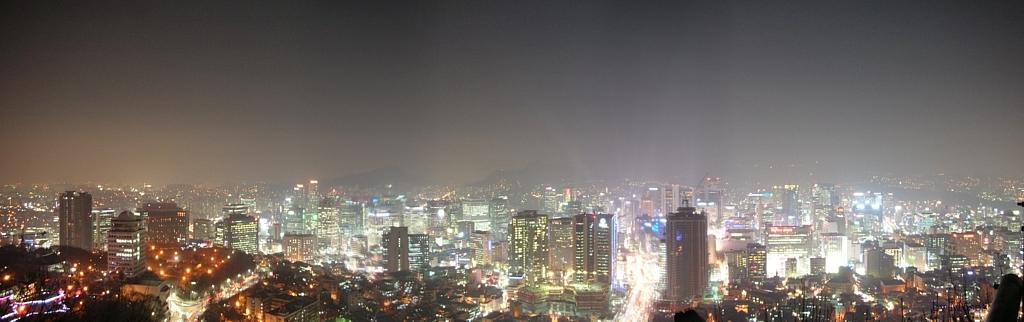
.jpg)
Flying from Singapore to Seoul: Airlines, Seasons and Incheon Airport Tips
A nonstop Singapore to Seoul flight takes 6 hours 20 minutes to 6 hours 45 minutes, and the round trip economy fare swings from SGD 280 in low season to SGD 1,200 in peak season. Two windows double the fare: cherry blossom (late March to mid April) and autumn foliage (mid October to early November). Book six to eight weeks ahead for low season, twelve weeks ahead for peak season. Treat the Lunar New Year (January or February) as a fourth peak that catches travellers off guard every year.
Five carriers fly nonstop from Changi (SIN) to Incheon International (ICN): Singapore Airlines, Scoot, Korean Air, Asiana Airlines, and T'way Air. Incheon is the only option. Gimpo International (GMP) takes no nonstop service from Singapore. The overnight departure window (22:00 to 01:30 from Singapore) lands you in Seoul between 05:30 and 08:30 KST, ideal for an early breakfast in Myeongdong. The daytime window (07:30 to 16:00) puts you on the ground between 15:00 and 22:30, which works for hotel check in but costs one afternoon of your trip.
When you land at ICN, skip the taxi. The AREX express train runs from Incheon to Seoul Station in 43 minutes and costs KRW 9,500 (about SGD 10). It departs every 25 to 35 minutes from 05:20 to 23:40. The all-stop train takes 66 minutes. A taxi from ICN to central Seoul costs KRW 50,000 to 80,000 (SGD 50 to 80) and takes 60 to 90 minutes depending on traffic. Use the express train. It deposits you at Seoul Station where you transfer to lines 1 and 4 of the Seoul Metro or catch a taxi to your hotel for the remaining KRW 10,000 to 15,000.
Which Airline Fits Your Season and Budget
The fare ratio between a budget operator and a full-service carrier in economy is 0.5 to 0.7. If Singapore Airlines charges SGD 800 for a peak season round trip, Scoot charges about SGD 400 to 560. The trade-off is legroom, meal service, and baggage allowance. Scoot charges extra for checked luggage (SGD 30 to 60 each way online, more at the counter) and for meals. Singapore Airlines and Korean Air include 30 kg checked baggage and a meal.
Low Season: Late January to Early March, Late May to Early July, Late August to Late September
Economy round trip fares bottom out at SGD 280 to 500. This is the window to fly Scoot. You will pay roughly SGD 300 total for a round trip including a 20 kg checked bag and a meal. The trade-off is a 6 hour 45 minute flight in a 31-inch seat pitch. If you value sleep, add SGD 100 to 200 for the Escape (extra legroom) or ScootPlus seats. Korean Air and Singapore Airlines drop to about SGD 450 to 550 in low season, a fair price against the comfort gain.
Shoulder Season: Mid April to Late May and Mid November to Mid December
Fares settle at SGD 400 to 750. The cherry blossom peak ends by mid April, so the window between 15 April and 31 May is a sweet spot for decent weather without peak pricing. Spring temperatures in Seoul range from 10 °C to 22 °C, comfortable for walking. Autumn foliage (20 October to 5 November) pushes fares into peak band, but the weeks before and after it drop into shoulder. Korean Air economy in shoulder season runs around SGD 550 to 700. Pay that over Scoot. Korean Air operates from ICN Terminal 2 with better lounge access for business class passengers and higher priority on baggage handling.
Peak Season: Cherry Blossom, Autumn Foliage, Year End, Lunar New Year
Economy fare range is SGD 600 to 1,200. Book Korean Air or Singapore Airlines in this period. The difference between a SGD 600 fare and a SGD 1,000 fare on the same airline is often the fare class and rebooking flexibility. Pay the extra SGD 100 to 150 for a flexible fare if your dates are not locked. Asiana Airlines, also nonstop from Singapore, runs comparable pricing to Korean Air but operates from ICN Terminal 1. T'way Air, a Korean budget carrier, sells tickets from SGD 350 to 550 during peaks but watch for a strict 15 kg carry-on limit and no rebooking without a fee that often equals the ticket price.
Cabin Upgrade Math and When it Makes Sense
Premium economy round trip costs SGD 1,200 to 2,200, roughly 1.8 to 2.5 times the economy price. Business class runs SGD 2,500 to 5,500, 3.5 to 6.0 times economy. Only one scenario justifies premium economy on this route: you are flying a redeye (the 22:00 to 01:30 departure window from Singapore) and you need to work the next morning. Premium economy on Singapore Airlines or Korean Air gives you a wider seat that reclines 8 to 10 inches more and a meal service with a real glass. Business class makes sense for the lie-flat seat on the same redeye, but only if your employer pays or you have a credit card redemption. For a daylight flight, economy with an empty seat next to you is the same outcome as premium economy at one third the cost.
The failure case for this upgrade is that premium economy on Scoot (called ScootPlus) is a row of standard seats with extra legroom and a blocked middle seat. It costs about SGD 400 to 600 round trip, which is not a bad deal, but you still board last and eat a boxed meal. If you want the actual premium cabin experience, fly Korean Air or Singapore Airlines and book premium economy, not a budget carrier variant.
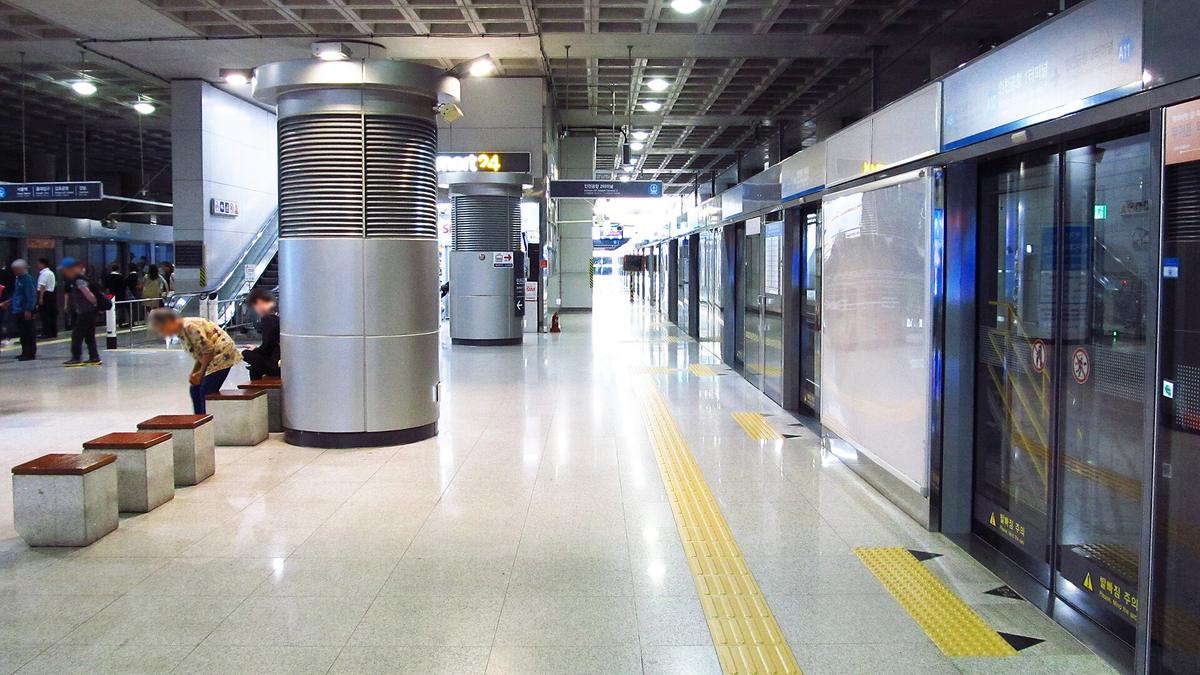

Incheon Airport Terminal Logic and Connection Tips
ICN Terminal 1 handles Asiana, Scoot, T'way Air, and most foreign carriers. Terminal 2 handles Korean Air, Delta, Air France, and KLM. Do not book a flight that requires changing terminals for an onward domestic connection unless you have at least 2 hours 30 minutes. The minimum connection time for international to international is 70 minutes, but that is within the same terminal. If you are connecting to a domestic Korean flight, the minimum is 90 minutes. Budget 120 minutes for the shuttle bus between terminals, which runs every 15 minutes.
Transiting Through ICN to North America
For travellers continuing to North America, ICN is a major hub. Korean Air, Asiana, Delta, Air Canada, United, and American Airlines operate nonstop to 14 North American destinations including Los Angeles, New York JFK, and Seattle. You can transit airside without a K-ETA, which is currently not required for Singapore passport holders anyway. The temporary exemption runs to 31 December 2025 per the Korea Ministry of Justice update of 29 March 2023. The K-ETA fee where applicable is KRW 10,000 (SGD 10) and the validity is three years from approval.
The Winter Mistake Every Traveller Makes
One thing goes wrong here every winter. The 6 hour 20 minute flight lands in Seoul where December to February mean temperatures are -6 °C to 3 °C. Travellers from Singapore, accustomed to 28 °C to 32 °C year round, arrive in a coat unsuitable for subzero wind and spoil the first day buying emergency layers at Dongdaemun. Pack a proper down jacket and thermal base layers. The single most common mistake on this route is treating the flight like a quick hop to Bangkok. Seoul is a different climate entirely, and the six-hour flight does not prepare you for the minus six.
Read next
-

 Changi Airport Layover Hotels and Transit Accommodation Compared
A detailed comparison of every sleep option at Singapore Changi Airport, from airside transit hotels to the landside YOTELAIR in Jewel and the Crown Plaza.
Changi Airport Layover Hotels and Transit Accommodation Compared
A detailed comparison of every sleep option at Singapore Changi Airport, from airside transit hotels to the landside YOTELAIR in Jewel and the Crown Plaza.
-
 Staying Near Changi Airport and Whether It Is Worth It
A comparison of hotels near Singapore Changi Airport versus staying in the city, covering Katong, East Coast, and Changi Village for short stays and early departures.
Staying Near Changi Airport and Whether It Is Worth It
A comparison of hotels near Singapore Changi Airport versus staying in the city, covering Katong, East Coast, and Changi Village for short stays and early departures.
-
 Singapore Flight Network, Carriers and Seasonal Route Guide
A complete overview of every airline and direct destination served from Singapore Changi Airport, from Singapore Airlines to budget carriers like Scoot and Jetstar Asia.
Singapore Flight Network, Carriers and Seasonal Route Guide
A complete overview of every airline and direct destination served from Singapore Changi Airport, from Singapore Airlines to budget carriers like Scoot and Jetstar Asia.
-
 A Long Layover at Changi Airport What Is Actually Worth Doing
A realistic guide to Singapore Changi Airport layovers, from terminal gardens and Jewel's indoor waterfall to the Free Singapore Tour and a quick city dash for laksa.
A Long Layover at Changi Airport What Is Actually Worth Doing
A realistic guide to Singapore Changi Airport layovers, from terminal gardens and Jewel's indoor waterfall to the Free Singapore Tour and a quick city dash for laksa.
-
 Cheapest and Most Expensive Weeks to Fly From Singapore
A month-by-month breakdown of when flights from Singapore cost the most and least, driven by local school holidays, festivals, and seasonal demand patterns.
Cheapest and Most Expensive Weeks to Fly From Singapore
A month-by-month breakdown of when flights from Singapore cost the most and least, driven by local school holidays, festivals, and seasonal demand patterns.
-
 Getting to Changi Airport and Moving Between Its Terminals
How to get from central Singapore to Changi Airport by MRT, ride-hail, or taxi, plus a full guide to moving between terminals and Jewel on the Skytrain or on foot.
Getting to Changi Airport and Moving Between Its Terminals
How to get from central Singapore to Changi Airport by MRT, ride-hail, or taxi, plus a full guide to moving between terminals and Jewel on the Skytrain or on foot.
-
 Singapore to Sapporo Flights: The Ski and Snow Route Direct in Season
When the direct Singapore–Sapporo flight operates for ski season, how to reach Niseko from New Chitose, and summer connection options via Tokyo.
Singapore to Sapporo Flights: The Ski and Snow Route Direct in Season
When the direct Singapore–Sapporo flight operates for ski season, how to reach Niseko from New Chitose, and summer connection options via Tokyo.
-
 Singapore to Sydney Flights Compared Across Airlines and Stopover Options
Compare Singapore Airlines, Scoot, Qantas and British Airways on the Singapore to Sydney route, with advice on timing and stopover value.
Singapore to Sydney Flights Compared Across Airlines and Stopover Options
Compare Singapore Airlines, Scoot, Qantas and British Airways on the Singapore to Sydney route, with advice on timing and stopover value.
-
 Singapore to London Flights Direct and One-Stop with Real Fare Data
Singapore to London flight options compared: direct on Singapore Airlines versus one-stop Gulf carriers, with real price spreads and routing advice.
Singapore to London Flights Direct and One-Stop with Real Fare Data
Singapore to London flight options compared: direct on Singapore Airlines versus one-stop Gulf carriers, with real price spreads and routing advice.